


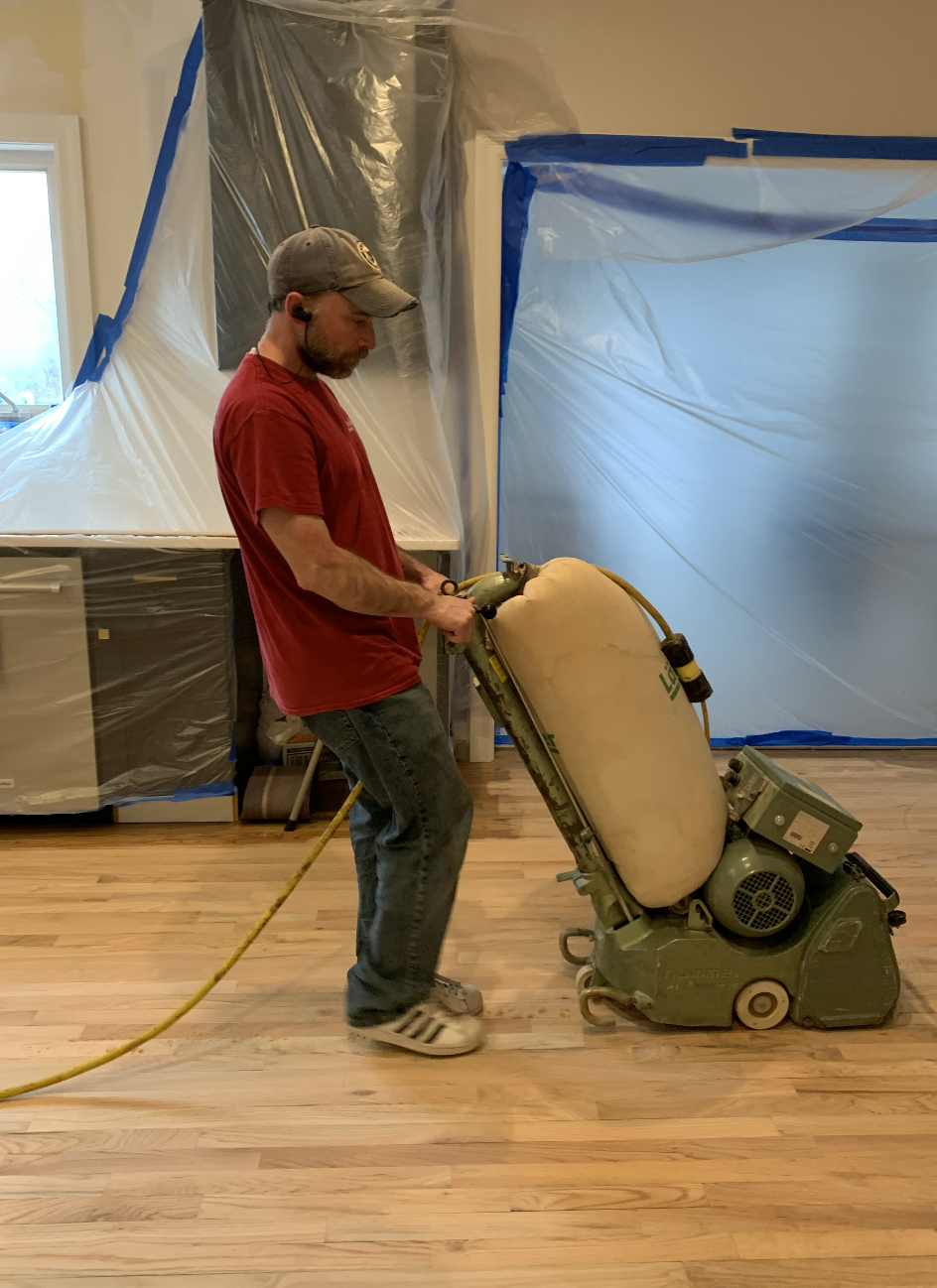
A homeowner in Alexandria pulls up old carpet and discovers oak floors hidden underneath. The boards are solid, but years of foot traffic have left them dull, scratched, and uneven in color. The next question is practical: which season will give the project the best result?
Spring Offers Comfortable Working Conditions
Spring is often an excellent time to refinish hardwood because temperatures and humidity usually sit within a comfortable range. That matters after sanding, when wood needs to accept stain and finish evenly.
Moderate spring weather also makes it easier to ventilate the home without dealing with extreme heat or cold. You can open windows during parts of the process, then close them as needed while the finish cures.
Still, spring showers can raise indoor humidity. A professional evaluates moisture conditions before work begins, rather than relying on the calendar alone. Arlandria Floors has served the DC area since 1969, giving homeowners the benefit of experience with regional homes and seasonal changes.
For an overview of the service, visit: https://www.arlandriafloors.com/hardwood-sanding-and-refinishing
Summer Requires More Attention to Humidity
Summer schedules appeal to families planning renovations while children are out of school. The season can work well, but high humidity deserves careful attention.
Excess moisture may slow curing and affect how finishes flow across the surface. Air conditioning helps regulate indoor conditions, though the home should remain stable throughout the project. Strong sunlight also makes it easier to notice color variation, so sample stain areas should be viewed at different times of day.
A refinishing contractor may recommend a water-based finish for a particular project because it dries faster and preserves a lighter appearance. The right selection depends on the wood species, existing finish, traffic level, and desired style—not simply the month on the calendar.
If boards are too damaged for restoration, homeowners may compare them with new solid hardwood flooring or engineered hardwood flooring. Refinishing remains preferable when the existing material has enough wear layer and structural integrity.
Fall Is a Reliable Season for Renovation
Fall often brings lower humidity and more predictable indoor conditions. Those factors make it a popular time for sanding and finishing before holiday gatherings begin.
The main challenge is scheduling. Refinishing requires preparation, drying time, and limited foot traffic while the finish cures. Homeowners should reserve enough time before placing furniture, area rugs, and decorative pieces back in the room.
Fall is also a useful period for addressing small issues before winter. Loose boards, squeaks, surface scratches, and worn entryways can become more noticeable as seasonal dryness affects the home. A professional inspection helps separate cosmetic wear from moisture or subfloor problems.
Winter Can Work With Proper Climate Control
Winter refinishing is possible, particularly in homes with dependable heating and stable indoor humidity. The closed-house environment can limit outdoor dust, but ventilation must still be planned carefully.
Dry winter air may cause existing boards to contract, revealing gaps that were less visible during humid months. That does not automatically mean the floor needs replacement. The condition of the boards, past repairs, nail placement, and finish history all influence the recommendation.
The best timing is ultimately the season that allows the home to maintain stable temperature and humidity. Schedule the work around your household, then let an experienced professional confirm whether conditions are suitable.
Arlandria Floors can evaluate your existing floors and explain whether restoration makes sense. Visit the Alexandria showroom on Mount Vernon Ave or request a https://www.arlandriafloors.com/free-estimate to plan your project with a team trusted by local homeowners for more than 55 years.


